I. Background and causes of large fluctuations in shipping prices
During the epidemic, the global logistics system experienced an unprecedented impact, and soaring freight rates became the core pain point of international trade. Data show that in 2021, Shanghai to Rotterdam route 40-foot container tariffs once soared to 13,698 U.S. dollars, 6.6 times before the epidemic; China and the U.S. shipping routes tariffs in three months soared nearly 90%. behind this phenomenon is the superposition of multiple factors:
1. Supply chain disruptions and capacity shortages
The epidemic has led to port congestion, worker shortages and a decline in the efficiency of global container turnover. For example, the Chittagong port in Bangladesh had a backlog of more than 44,000 containers, while the suspension of international passenger flights had sharply reduced air capacity, with airfreight prices once exceeding 100 yuan per kilogram.
Shipping companies in the early stage due to demand plummeted significantly cut capacity, 2020 global container traffic fell 10%, the largest decline in 35 years. Later demand rebound, capacity recovery lags, exacerbating the imbalance between supply and demand.
2. Cost Drivers and Market Strategies
Rising oil prices pushed up transportation costs, with significant increases in land and sea fuel costs. For example, freight rates on China-South America routes rose by 4,43%, and transit fees on some routes rose by RMB20/ticket.
Shipping companies adjusted their pricing to make up for prior losses, such as France's Duffy Line (CMA-CGM), which raised its 40-foot container surcharge from $100 to $2,300.
3. Structural demand changes
Epidemic spawned “house economy”, the surge in e-commerce orders led to a concentrated outbreak of demand for containers, while medical supplies, electronic products and other high-value-added goods crowded capacity, exacerbating the tensions in the transportation of general merchandise.
II. Scope of impact and industry shocks
1. The industry is clearly differentiated
High value-added products(e.g., electronics, pharmaceuticals) are less affected due to the lower share of freight costs;Commodities and labor-intensive products(e.g. furniture, plastic products) Profit margins have been drastically compressed due to large size and low value of goods.
Developing countries are under greater pressure, South America, West Africa and other routes shipping rates rose far more than Europe and the United States, some enterprises were forced to suspend exports because they can not afford the cost.
2. Cross-border logistics model reconstruction
The obstruction of maritime transportation has promoted the development of multimodal transportation. For example, the proportion of “China-Europe liner” transportation has risen from 0.5% in 2011 to 4.2% in 2020; and the mode of “ocean express ship + UPS express” transits the United States through Canada, with a cost of only 1/8 of that of air transportation.
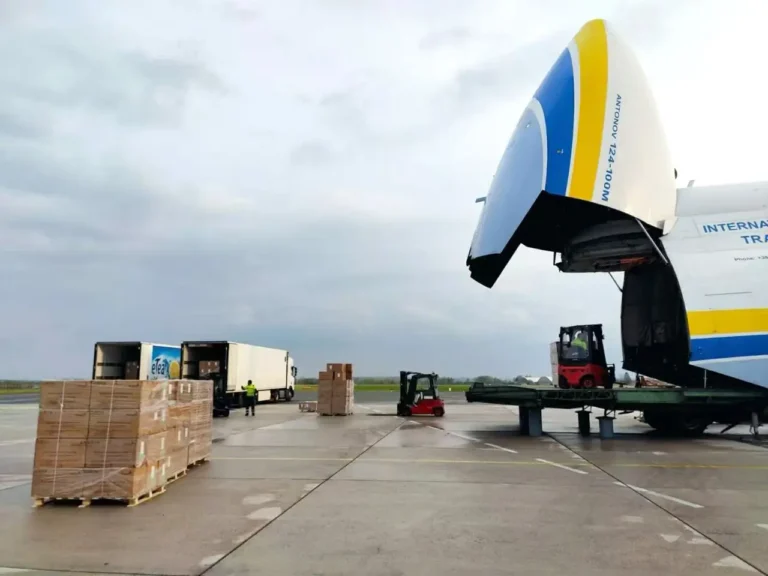
Demand for air cargo has shifted to passenger to freighter and charter services, but capacity is still unable to meet demand, resulting in soaring prices for specialized transport such as precision instruments and cold-chain drugs.
II. Business and policy responses
1. Corporate Self-Help Strategies
Optimizing the transport mix: Cross-border e-commerce sellers turn to ocean consolidation and rail transportation to reduce their dependence on air freight.
technical input: Logistics enterprises have introduced intelligent scheduling systems and visualized tracking platforms to enhance container turnover efficiency.
2. Policy interventions and industry collaboration
International organizations have called for the advancement of the Agreement on Trade Facilitation to simplify customs clearance processes and reduce artificial delays.
China stabilizes freight rates through measures such as subsidies for China-European liner trains and port fee reductions, and in 2021 the Lanzhou municipal government gradually rolled back the impact of rising vegetable transportation costs through regulation.
II. Long-term trends and insights
1. Freight rate volatility normalized
The United Nations Conference on Trade and Development (UNCTAD) predicts that supply chain resilience and digitization will become a focus for the industry, such as the application of blockchain technology to freight tracking.
2. Opportunities for Innovation in the Crisis
The emergence of innovative solutions such as the “half-monthly” shipping model and cross-border trucking during the epidemic verified the feasibility of a flexible supply chain, which may become an industry standard in the future.
concluding remarks
The surge in freight costs is both a reflection of the vulnerability of the global supply chain and a catalyst for logistics innovation. Enterprises need to enhance their risk-resistant capacity through technological upgrading and model innovation, while policymakers need to strengthen international cooperation to build a more resilient logistics network. As Churchill said: “Don't waste a crisis”, this freight storm may reshape the future picture of global trade....
(Note: The data and cases in this article are from public reports and industry analysis, please refer to real-time information for specific policies and prices.)
--Cross-border logistics “convenience” behind the risk of the game I. The reason for “love”: the attraction of the double clearing to the door 1. one-stop convenience, the liberation of the enterprise's energy double clearing to the door. ...
--The Hidden Costs of Cross-Border Trade from the Node of Transfer of Cargo Rights I. The Essential Difference and Risk Segregation of DDU/DDP In the International Chamber of Commerce's "2020 International Trade Techniques...
--WCA: The United Nations of Global Freight Forwarding Network As the world's largest network of independent freight forwarders, WCA is the first global network of freight forwarders...