
Double clear to the door, why people “love to hate”?
--The Risk Game Behind the “Convenience” of Cross-Border Logistics
One,“The cause of love: the attraction of the double clear to the door
1. One-stop convenience, freeing up corporate energy
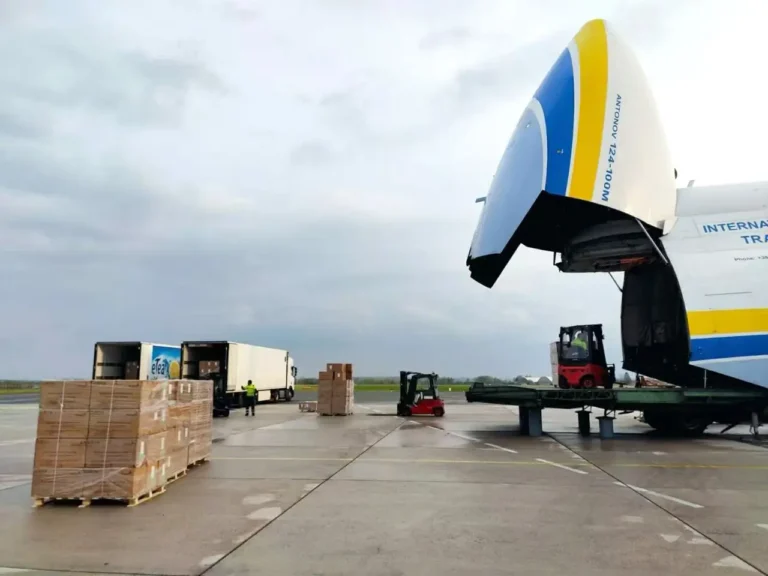
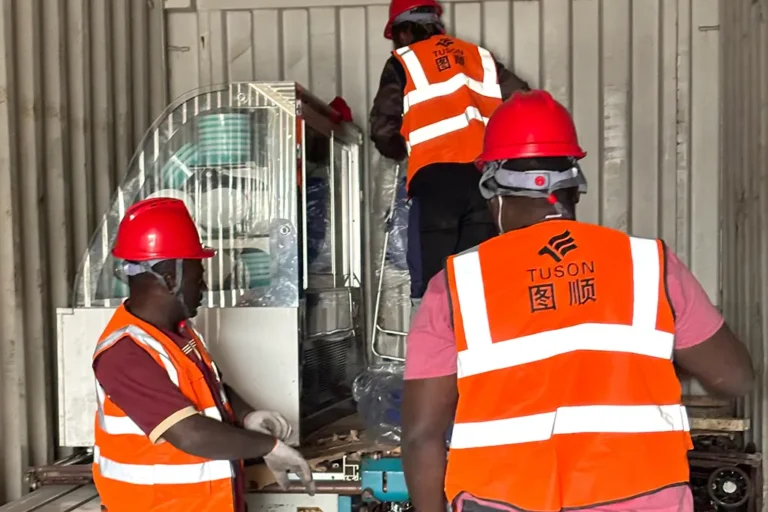
Double clearing to the door service will export customs clearance, international transportation, destination country customs clearance, end delivery and other aspects of the full to the freight forwarder to deal with, the enterprise only need to “delivery that is done”. This model is especially suitable for small and medium-sized foreign trade enterprises, can save more than 80% logistics management time. For example, a cross-border e-commerce enterprises in Shenzhen through the double clearing to the door service, the original need for three people to work together to simplify the logistics process for one person to docking, significant improvement in operational efficiency.
2. Cost transparency and budget control
Service providers usually provide “all-inclusive price”, covering transportation, customs clearance, taxes and other costs. According to industry statistics, compared with the traditional segmented logistics, the overall cost can be reduced by 15%-30%. For example, furniture exporters in East China through the LCL double clearing service, the logistics cost of a single cabinet to save more than 2,000 U.S. dollars.
3. Avoiding complex regulations and lowering operational thresholds
For enterprises unfamiliar with the customs clearance rules of the destination country, double clearance to the door can avoid the risk of detention caused by incomplete documents and missing tax codes. For example, Germany has stringent requirements on the packaging and labeling of imported goods, and the compliance team of a professional freight forwarder can efficiently handle such details.
Two,“Root causes of ”hate": hidden risk traps
1. The Compliance Minefield of Gray Customs Clearance
In order to reduce the cost, some forwarders use “low declaration”, “concealment of name” and other irregularities.2024 EU Customs data shows that 30% of double clearing to the door cargoes were inspected due to inaccurate declaration, of which 15% faced forfeiture or return. Typical Case Typical case: a clothing enterprise goods due to misrepresentation of the value of the freight forwarder, was seized by the Italian Customs and imposed a fine of 200% of the value of the goods.
2. Joint and several liability and cargo rights risks
3. Hidden Costs and Timing Out of Control
4. Increased supply chain vulnerability
The “guilt by association effect” of LCL transportation is significant - if any one of the goods in the same container is inspected, the whole container will be stranded.2024 Shanghai port inspection data shows that the inspection rate of LCL containers is 3 times of that of whole containers, and the average processing time is 15 days more.
三、Breaking the ice: Strategies for balancing convenience and safety
1. Rigorous selection of partners and establishment of a wind control mechanism
2. Strengthening autonomous control capacity
3. Explore compliance alternatives
四、Future Outlook: Industry Regulation and Technology Enabling
1. Tightening of policy regulation
The EU plans to implement the Customs Clearance Transparency Act in 2026, which will require dual clearing service providers to disclose full link cost breakdowns, with violators facing fines of up to 10% of turnover.
2. A New Path to Technological Breakthrough
concluding remarks
Double clear to the door as cross-border logistics “fast channel”, but behind its convenience is the transfer of responsibility and risk sharing. Enterprises need to “strategic procurement” thinking about logistics cooperation - not only to leverage professional services, but also need to build a strong line of defense. As a senior trader said: “In the cross-border track, fast is a kind of ability, stability is a kind of wisdom.” Only by balancing “love” and “hate” can we move steadily forward!